
Modern Solutions for Sustainable, User-Friendly, and Cost-Effective Packaging
Blister packaging has been a staple in pharmaceutical, consumer goods, and electronics industries due to its protective, tamper-evident design. However, increasing demand for plastic-free packaging, regulatory bans on PVC, and the push for sustainable packaging alternatives are encouraging brands to switch to eco-friendly blister packaging replacements. Let’s explore the best alternatives and their advantages.
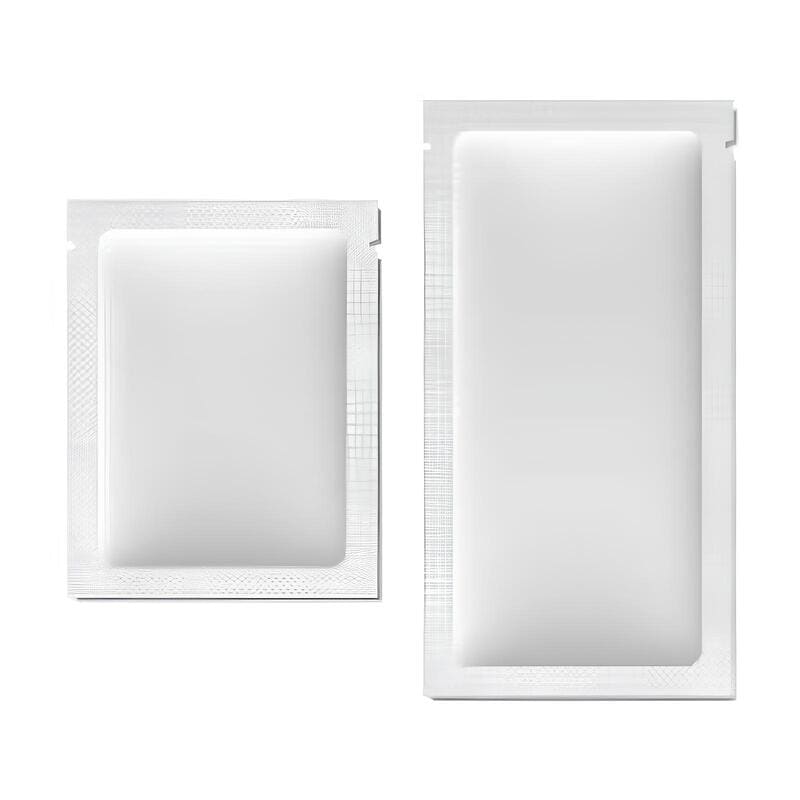
1. Strip Packaging: A Cost-Effective Blister Packaging Alternative
Strip packaging involves sealing products between two layers of flexible film (often aluminum or plastic) to create individual, airtight compartments. Unlike blister packs, which require thermoforming cavities, strip packaging uses heat-sealing rollers or plates to encase products without pre-formed cavities.
Key Benefits:
- Enhanced Barrier Protection: Minimizes air and moisture ingress, extending shelf life for moisture-sensitive products like vitamins or effervescent tablets.
- Child Resistance: The tight seal and lack of pre-formed cavities make it harder for children to access contents compared to blister packs.
- Cost Efficiency: Eliminates the need for costly thermoforming molds, reducing production expenses.
Limitations:
- Bulkier design and reduced visibility compared to blister packs.
- Difficult for elderly users or those with limited dexterity to open.
Example: Romaco Siebler’s Push Pack uses ultra-thin, PVC-free aluminum foil to replicate blister-like functionality while cutting material costs by 60%.
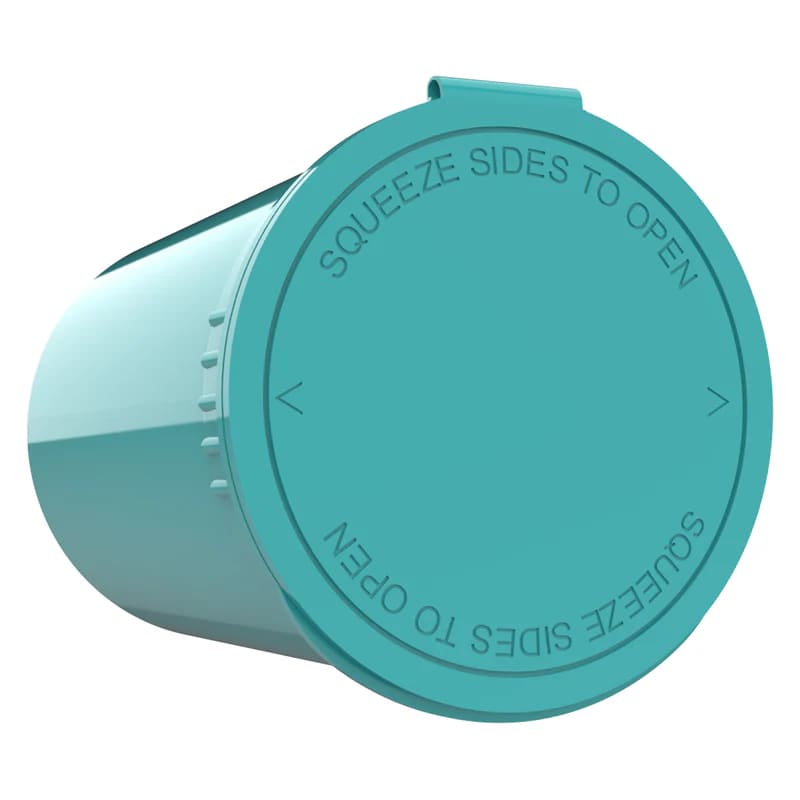
2. Squeeze-to-Open Packaging: A Flexible and Sustainable Blister Pack Replacement
A hybrid solution combining blister-like usability with strip packaging’s flexibility. Products are sealed between two thin aluminum layers, allowing users to squeeze the package to release contents-similar to traditional blister packs.
Advantages:
- Eco-Friendly: PVC-free and recyclable (e.g., Huhtamaki’s polyethylene/PP laminate).
- Material Savings: Uses 50% less aluminum than cold-formed blisters due to thinner foil (9-25 µm).
- Customizable: Supports unique shapes (e.g., star-shaped or branded designs) and dual-sided printing for marketing.
Applications:
Ideal for pharmaceuticals, nutraceuticals, and even fragile effervescent tablets.
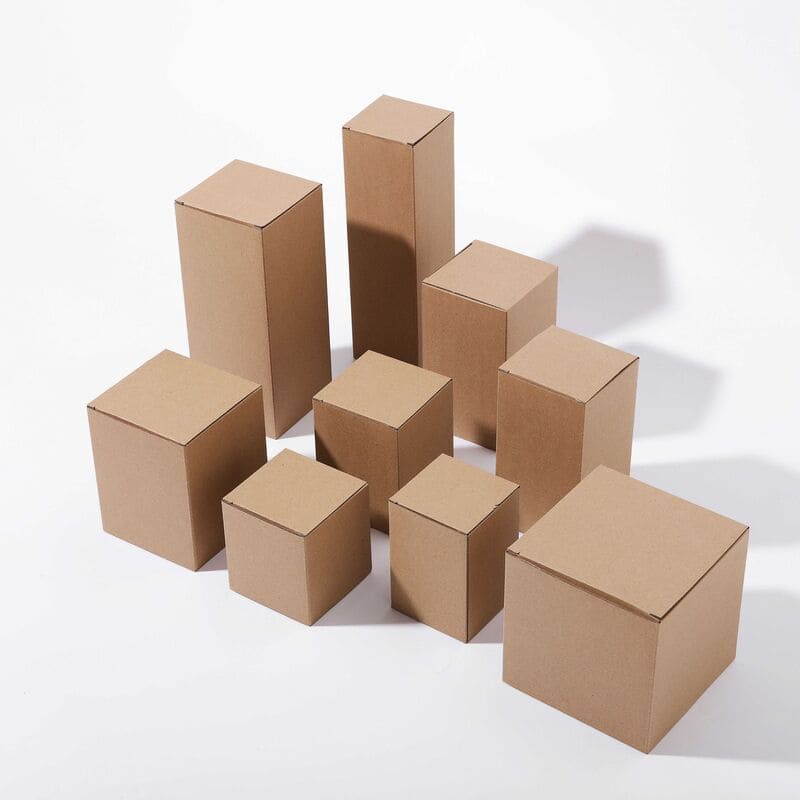
3. Paperboard Packaging: A Plastic-Free Alternative to Blister Packs
Replacing rigid plastic blisters with foldable paperboard trays and compostable films offers a sustainable alternative. These designs mimic blister functionality while prioritizing eco-friendly materials.
Innovations:
- Modular Designs: Foldable paperboard trays paired with bio-based PLA films reduce plastic use and simplify recycling.
- Tamper Evidence: Heat-sealed compostable films provide security without PVC.
- Retail Readiness: Printed paperboard backings enhance shelf appeal, similar to traditional blister cards.
Case Study: A patent-pending design by Romaco combines paperboard trays with thin aluminum foil, achieving both recyclability and child resistance.
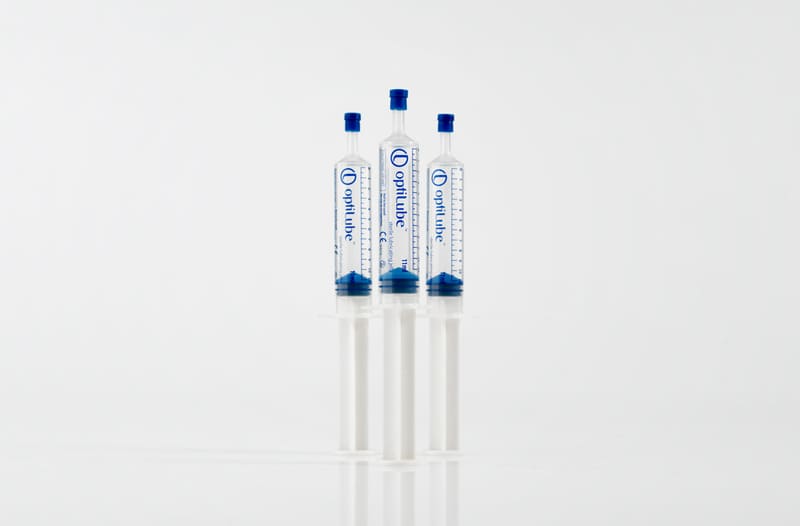
4. Single-Dose Packaging: Sustainable Alternatives for Liquid and Gel Products
For liquid or gel-based products, pre-filled syringes and dissolvable pods eliminate the need for plastic blisters entirely.
Benefits:
- Zero Waste: Pods made from water-soluble PVA or algae-based materials dissolve during use.
- Precision Dosing: Ensures accurate measurement for pharmaceuticals or supplements.
- Portability: Lightweight and leak-proof for on-the-go use.
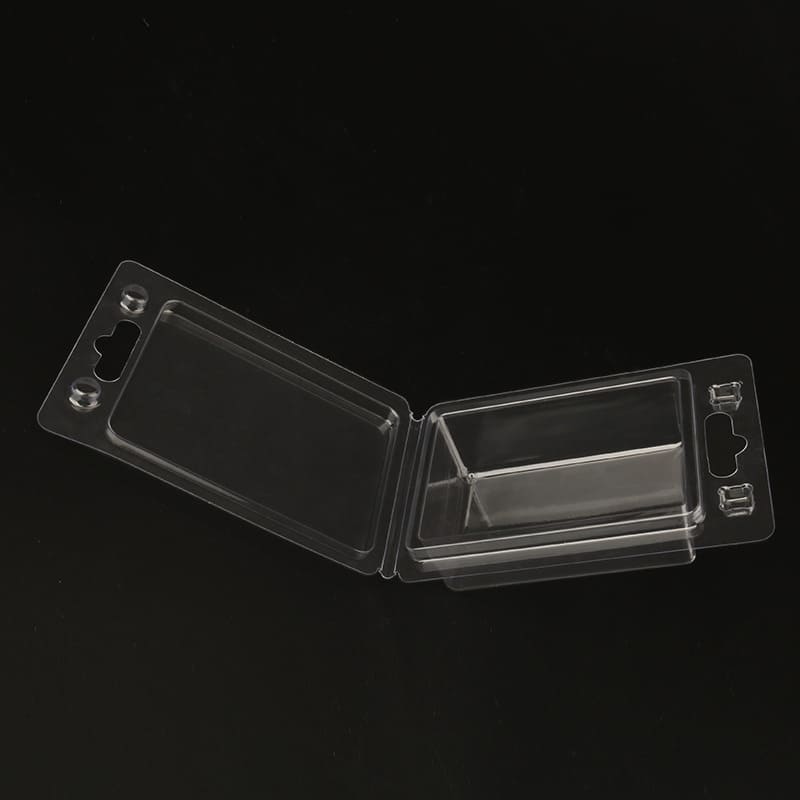
5. Clamshell Packaging with Recyclable Polymers
While clamshells share some drawbacks with blisters (e.g., hard-to-open designs), new variants using mono-material PET or HDPE improve recyclability.
Improvements:
- Easy-Open Features: Laser-scored perforations or peelable seals reduce frustration.
- Closed-Loop Systems: Partnerships with recycling facilities ensure PET clamshells are repurposed into new packaging.
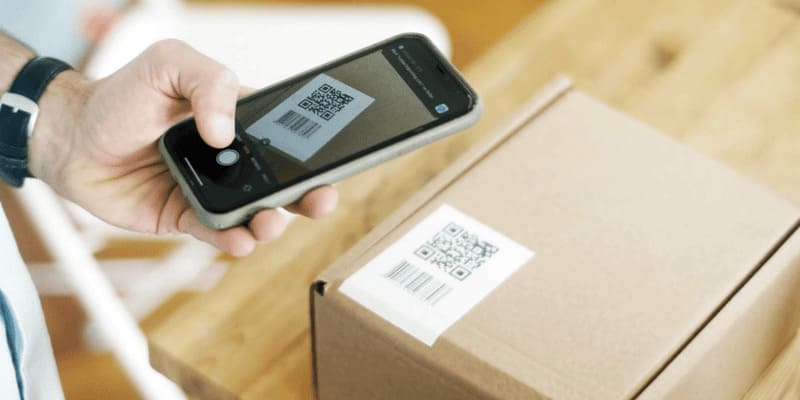
6. Smart Packaging with NFC/QR Integration
Embedding near-field communication (NFC) chips or QR codes into flexible pouches enhances functionality beyond traditional blisters:
- Track-and-Trace: Combat counterfeiting in pharmaceuticals.
- User Engagement: Link to dosage reminders or product tutorials.
- Sustainability Data: Provide recycling instructions via scannable codes.
Blistera’s Sustainable Alternatives
At Blistera, we help brands transition from outdated blister packaging with:
✅ Bio-Based Films: Compostable PLA and PHA materials meeting FDA/REACH standards.
✅ Mono-Material Designs: All-PET or aluminum-free structures for easy recycling.
✅ Modular Systems: Adjustable sizing to reduce tooling costs and adapt to regulatory changes.
Why Switch Now?
- Regulatory Pressures: EU’s Single-Use Plastics Directive and California’s SB 54 are phasing out PVC blisters.
- Consumer Demand: 68% of buyers prefer eco-friendly packaging, per a 2024 Nielsen survey.
- Cost Savings: Strip and squeeze-to-open designs reduce material use by 30~60%.
What Is the Best Alternative to Blister Packaging? (Quick Summary)
✅ Strip Packaging – A cost-effective, flexible alternative.
✅ Squeeze-to-Open Packs – Eco-friendly and PVC-free.
✅ Paperboard Packaging – Fully recyclable, plastic-free option.
✅ Single-Dose Pods – Zero-waste packaging for liquids and gels.
✅ Recyclable Clamshells – PET-based, easy-to-recycle packs.
✅ Smart Packaging – QR/NFC-enabled for enhanced functionality.
Looking for the Best Blister Packaging Alternatives?
Explore Blistera’s sustainable packaging solutions here or contact us for custom designs that meet eco-friendly packaging standards and cost-efficiency goals.