
Unpacking the Challenges—and Sustainable Solutions
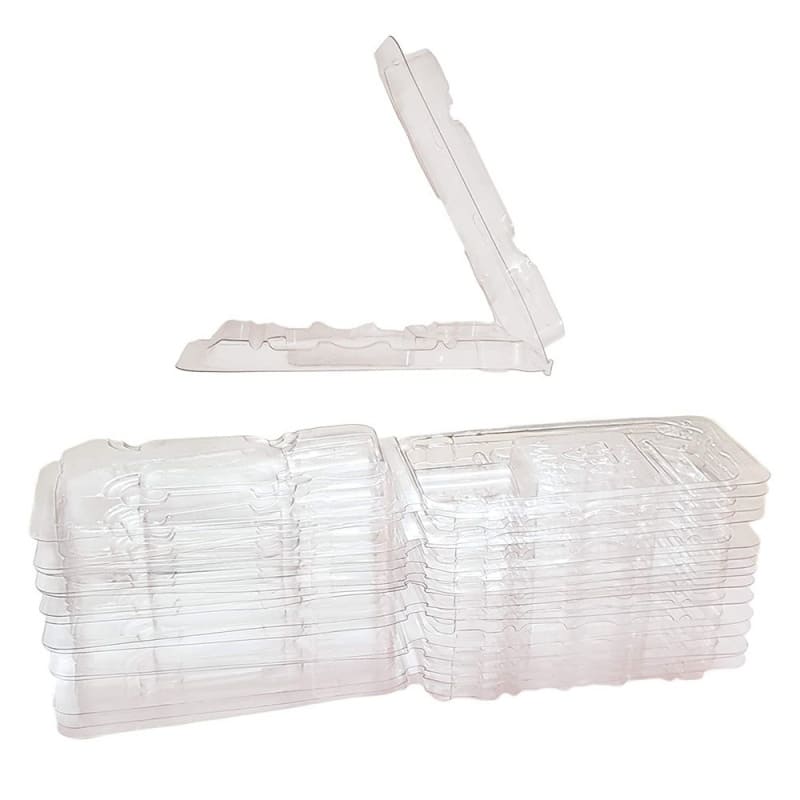
Clamshell containers—those clear, hinged plastic packages used for everything from berries to electronics—are notorious for ending up in landfills rather than recycling bins. Despite being labeled with recycling symbols (♻️), most clamshells are not recycled due to material limitations, contamination risks, and outdated infrastructure. Let’s dive into why clamshell recycling fails and how brands can adopt better alternatives.
1. Material Complexity: The #1 Recycling Killer
Most clamshells are made from PET (polyethylene terephthalate), the same plastic as water bottles. However, clamshell PET is different:
- Thinner and More Brittle: Clamshells use “thermoformed” PET, which is less durable than bottle-grade PET.
- Mixed with Additives: UV inhibitors, colorants, or adhesives reduce recyclability.
Why It Matters
Recycling facilities often reject clamshells because:
- They jam sorting machinery due to their flat shape.
- They contaminate bottle-grade PET streams, lowering the value of recycled plastic.
2. Mixed Materials: The Silent Saboteur
Clamshells rarely consist of a single material:
- Plastic + Paper Inserts: Adhesives bond plastic to paper labels, making separation impossible.
- Multi-Layer Films: Some clamshells use PET/PE laminates for moisture resistance, which recycling plants can’t process.
Result
Even “recyclable” clamshells end up trashed if they contain mixed components.
3. Lack of Recycling Infrastructure
- Sorting Challenges: Many curbside programs only accept bottles and jars, not flat plastics like clamshells.
- Economic Hurdles: Recycling clamshell PET costs more than it’s worth. In the U.S., less than 20% of clamshells are collected, and only 6% are actually recycled.
Case Study
A 2023 Greenpeace report found that 95% of clamshells in the EU are incinerated or landfilled due to inadequate sorting technology.
4. Contamination: Food Residue and Labels
- Food Waste: Dirty clamshells (e.g., greasy takeout containers) are rejected by recyclers.
- Non-Recyclable Labels: Glossy stickers or ink-printed designs render entire batches unusable.
5. Misleading Recycling Symbols
Many clamshells display the ♻️ symbol with a “1” (PET) code, implying recyclability. However, this ignores regional realities:
- U.S.: Only 30% of recycling programs accept clamshells.
- EU: PET clamshells are technically recyclable but rarely reprocessed due to low demand.
How to Fix Clamshell Recycling: 4 Sustainable Alternatives
1. Switch to Mono-Material Designs
Use 100% PET or PP without adhesives, labels, or mixed layers.
✅ Example: Blistera’s EcoClams use laser-etched branding instead of glued paper, ensuring full recyclability.
2. Adopt Compostable Materials
- PLA (Polylactic Acid): Compostable in industrial facilities.
- PHA (Polyhydroxyalkanoates): Marine-degradable bioplastic for food packaging.

3. Design for Reuse
- Refillable Clamshells: Partner with brands to offer take-back programs.
- Durable Hinges: Enable repeated opening/closing for products like cosmetics.
4. Advocate for Better Infrastructure
Support policies like Extended Producer Responsibility (EPR) laws, which fund clamshell recycling programs.
Blistera’s Circular Solutions for Clamshells
We’re redefining clamshell sustainability with:
✅ Closed-Loop Recycling: Collect used clamshells and convert them into new packaging.
✅ Bio-Based Clamshells: Compostable PLA containers for fresh produce and baked goods.
✅ Smart Sorting Labels: QR codes that guide consumers to local recycling options.
What Consumers Can Do
- Check Local Guidelines: Use tools like How2Recycle or Earth911 to confirm if clamshells are accepted.
- Clean Thoroughly: Rinse containers and remove stickers before recycling.
- Choose Brands Committed to Change: Support companies using mono-material or compostable designs.
The Future of Clamshells
Regulatory pressure is mounting:
- California’s SB 54: Requires all packaging (including clamshells) to be recyclable or compostable by 2032.
- EU Packaging Regulation: Mandates 70% of packaging waste to be recycled by 2030.
Innovations like chemical recycling (breaking PET into raw monomers) and digital watermarking (for accurate sorting) promise to transform clamshell sustainability.
Break the Cycle with Blistera
Clamshells don’t have to be environmental villains. By redesigning materials and systems, we can turn them into circular economy champions.
Explore Our Sustainable Clamshell Solutions → Visit Blistera’s Eco-Packaging Hub